
Guide
Brighton Pier Squid Fishing
How to fish Brighton Pier for squid: the rock breakwall at dawn and dusk, the concrete pier section after dark, reading clean water over the breakwall weed
Brighton is a metro breakwall I rate on light and water clarity, not on the tide chart. The wall is really two spots in one: a long rock breakwall you fish off, and an elevated concrete pier section where the wall lifts onto pylons over open water. Get the timing right and it is one of the more accessible clean-water squid sessions close to the city.
For the wider picture, start with Eging Australia for the method, then Melbourne Squid Fishing and Port Phillip Bay Squid Fishing. Brighton sits on the metro side of that system, so it fishes differently from the Mornington piers and the more tidal Western Port spots.
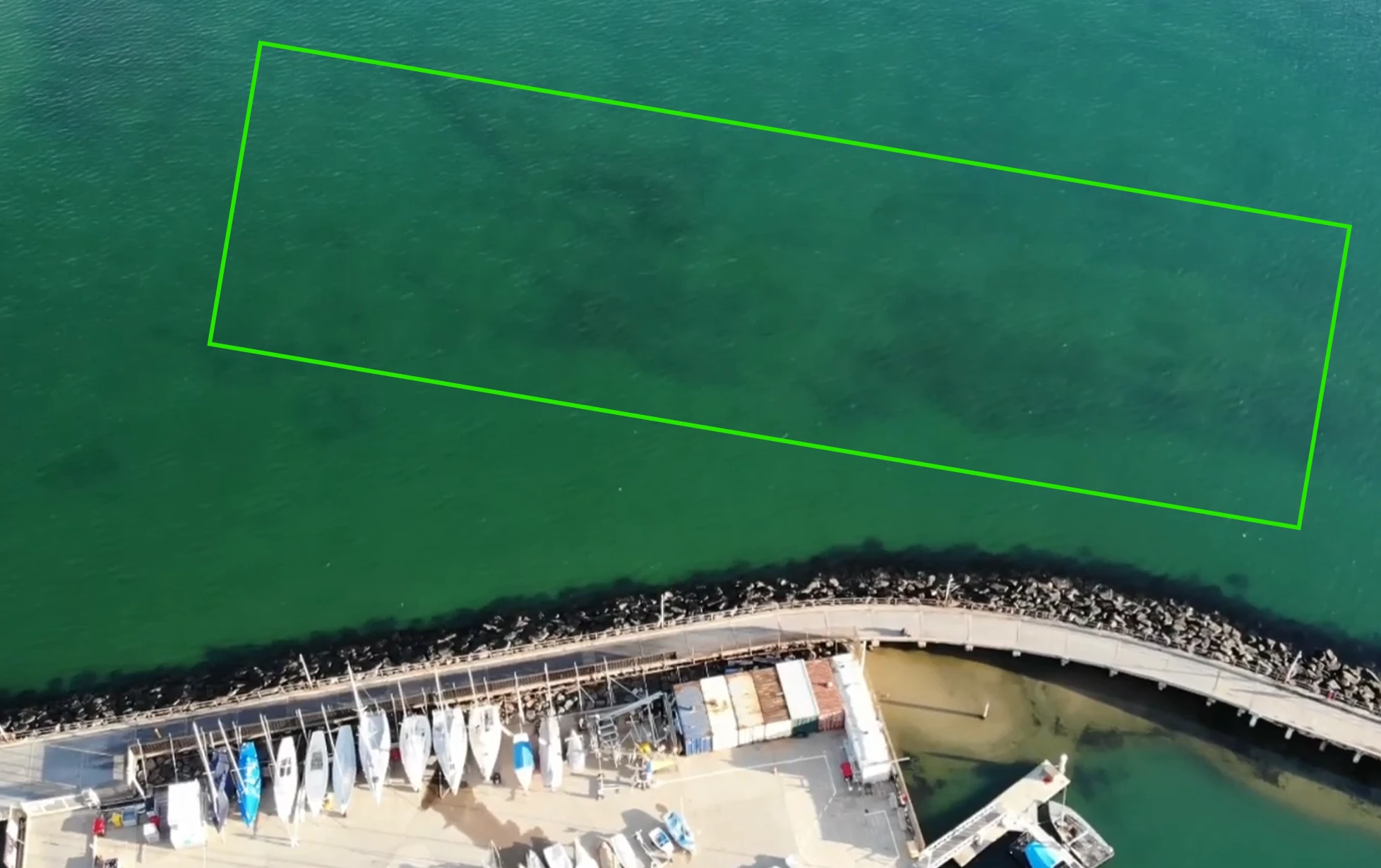
When and Where to Fish Brighton
This is the part most guides stay vague about, so here is how I actually fish it:
- Dawn and dusk — fish off the rocks. First and last light along the rock breakwall is the prime window. Low light gives the jig presence without loud colour, and squid move up onto the weed and broken ground to feed.
- After dark — move to the concrete pier section. At night the elevated concrete span over the water is where the better catches come. The deeper water under the pier, the shade line and the structure all pull squid in close.
So plan the session around the light, not the tide. If the water is clean and you are on the rocks at last light or the concrete pier after dark, Brighton is worth the trip even when the tide chart looks ordinary.
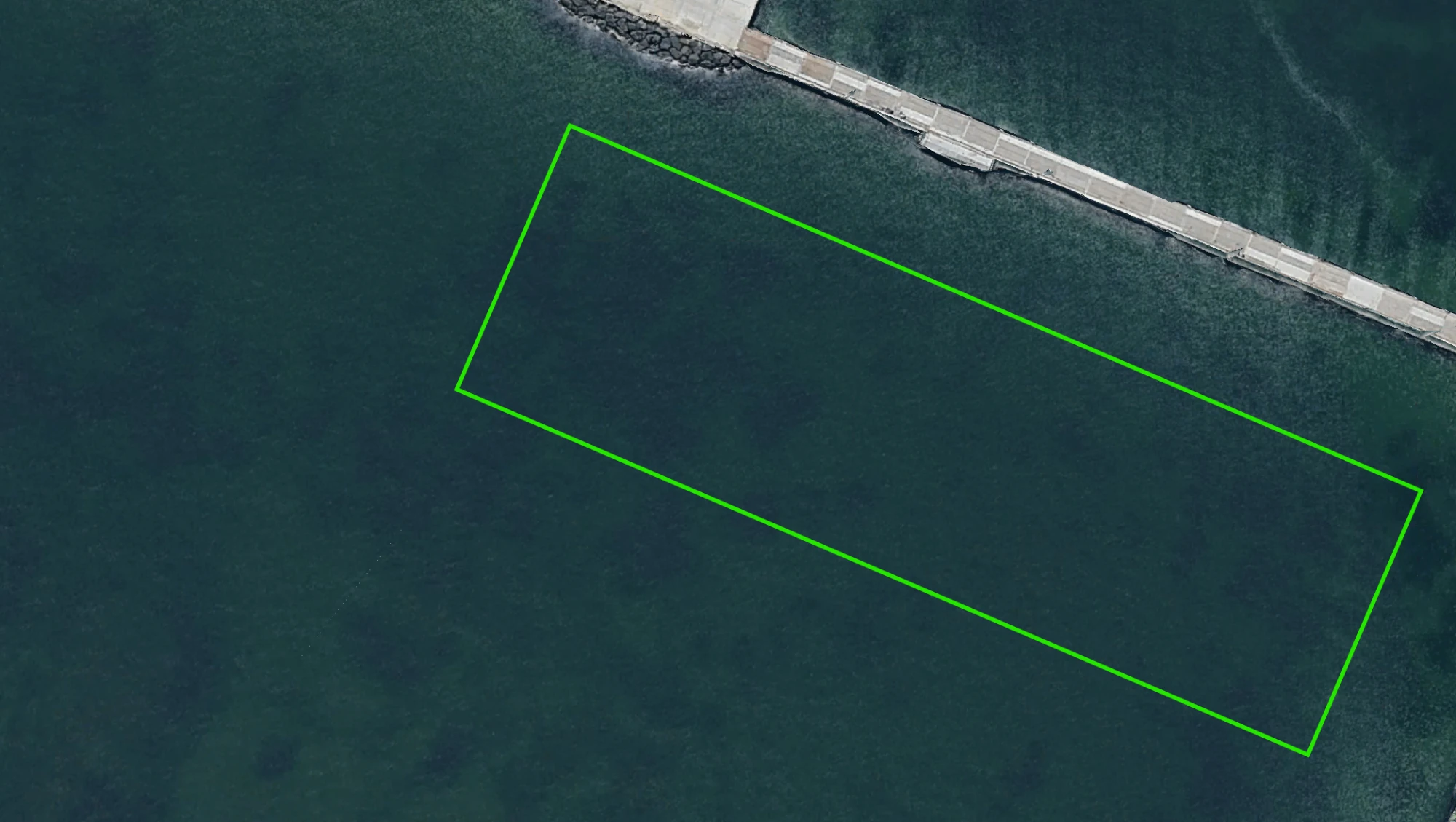
Best Wind Direction for Brighton
Northerly to north-easterly is usually the cleaner planning window. What you are really protecting is line control and water clarity: if the breeze pushes chop and loose weed into your line, the jig skates around instead of hanging naturally. A light wind is fine — a messy wind that wrecks your line angle is the problem.
Before you leave home, check the Eging Tactical Radar and compare Brighton against the other metro Port Phillip options.
Tide, Current and Swell
Tide does not have to run the whole plan here. You still want enough depth, but the bigger questions are whether the water is clean and whether you are fishing the right light window. If the bay has been stirred up, wait for it to settle or move to a cleaner-facing spot. Clear water plus dropping or lifting light beats chasing a perfect tide stage.
Squid Jig Size for Brighton
Skip the 2.5 here. It is too light for this wall — you give up casting distance and the search range that makes the spot work.
- 3.0 — the size to start with. It casts well, sinks predictably and covers most Brighton sessions.
- 3.5 slow sinking — when you want to search. The extra weight buys distance off the rocks and the breakwall, and the slow sink keeps it hanging in the strike zone while you cover more water. On the concrete pier at night it is my go-to.
For the full logic, use the Squid Jig Size Guide and the Squid Jig Sinking Rate Guide.
Squid Jig Colours for Brighton
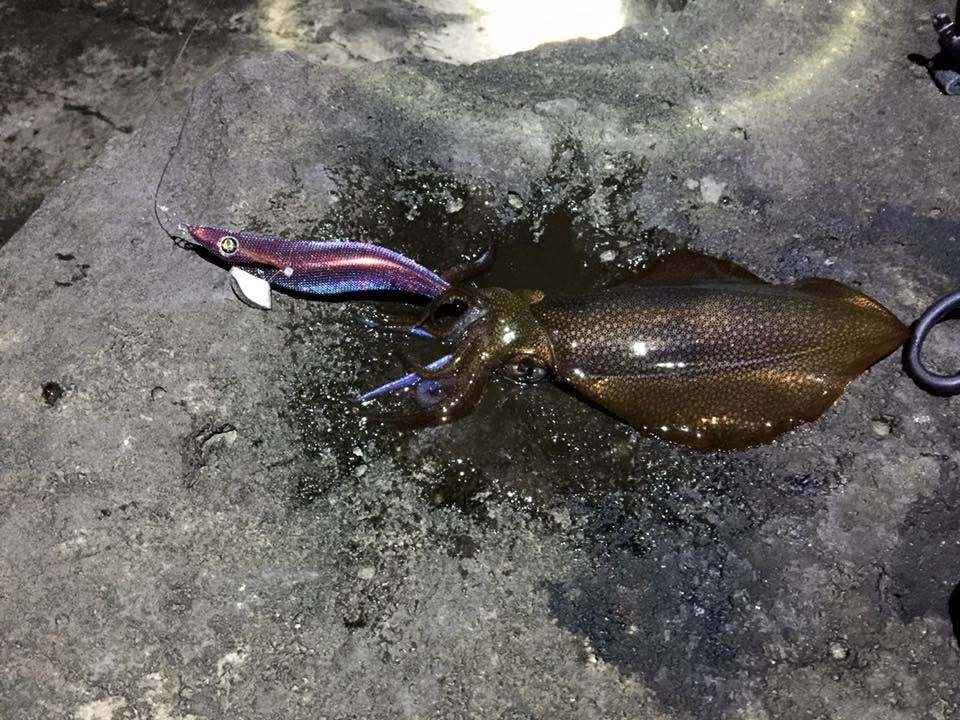
Brighton rewards clean water and low light, so start natural rather than loud. Natural prawn, olive, silver-backed, soft pink and subtle glow-belly patterns are all sensible openers. If dusk gets darker or the water loses clarity, rotate toward pink, orange, glow or red foil. Do not reach for the loudest jig just because the light is low — in clean water a natural body with a touch of glow usually looks better. Full breakdown in Squid Jig Colours Australia.
Working the Breakwall Cleanly
Fish Brighton like a light-window spot. Make clean casts, let the jig settle, and give the pause time to work — rushing the retrieve is the easiest way to make the jig look wrong. Rather than covering blank water, target where the structure makes shade, edges and depth change: the rock wall, the weed patches in the marked zone, and the pylons under the concrete pier. Squid use those transitions far more than open featureless water. A jig that stays balanced and hangs properly will outfish one that only looks good in the packet — see the Best Squid Jig Australia guide.
Landing and Local Practicalities
Off the rocks, and especially the concrete pier, plan the landing before you hook up. A better squid or an awkward angle is easy to lose at the last second, so a net or telescopic gaff earns its place. Watch your footing on the rocks at first light and on the concrete span after dark — carry a head-torch. For landing-tool choice, read the Best Squid Gaff Australia guide.
Recommended Gear
FAQ
What is the best time for Brighton Pier squid fishing?
Dawn and dusk off the rock breakwall, and after dark on the elevated concrete pier section. Low light on the rocks and the lit pier at night are the windows that produce — clean water and good light matter more than the tide stage.
Where should I fish at Brighton — the rocks or the pier?
Both, at different times. Fish off the rock breakwall at first and last light, then move onto the concrete pier section after dark, which tends to give the best catches at night.
Does tide matter much at Brighton Pier?
Tide affects depth and water movement, but it is not the main factor here. Clean water, low light and a manageable wind matter more.
What squid jig size should I use at Brighton Pier?
Start with a 3.0. Step up to a 3.5 slow sinking when you want more casting distance and a bigger search range, especially off the breakwall and on the pier at night. Skip the 2.5 — it is too light for this spot.