
Guide
Winter Squid Fishing Victoria
Winter doesn't switch the squid off — it changes the water, light and wind. How to read cold-season conditions and adjust your Victorian eging.
Squid do not read the calendar - they read the water.
Winter squid fishing in Victoria can be very worthwhile, but it is not because winter magically turns every pier into a hot bite. Cold-season eging works when you understand what winter changes: water clarity, light, wind, fronts, weed edges, bait movement and how slowly you can keep a squid jig in the strike zone.
If you already use the broader squid fishing season guide, think of this page as the Victorian winter version. It is more specific to Port Phillip Bay, Western Port, Mornington Peninsula piers, Melbourne land-based sessions and the practical decisions you make before tying on the first jig.
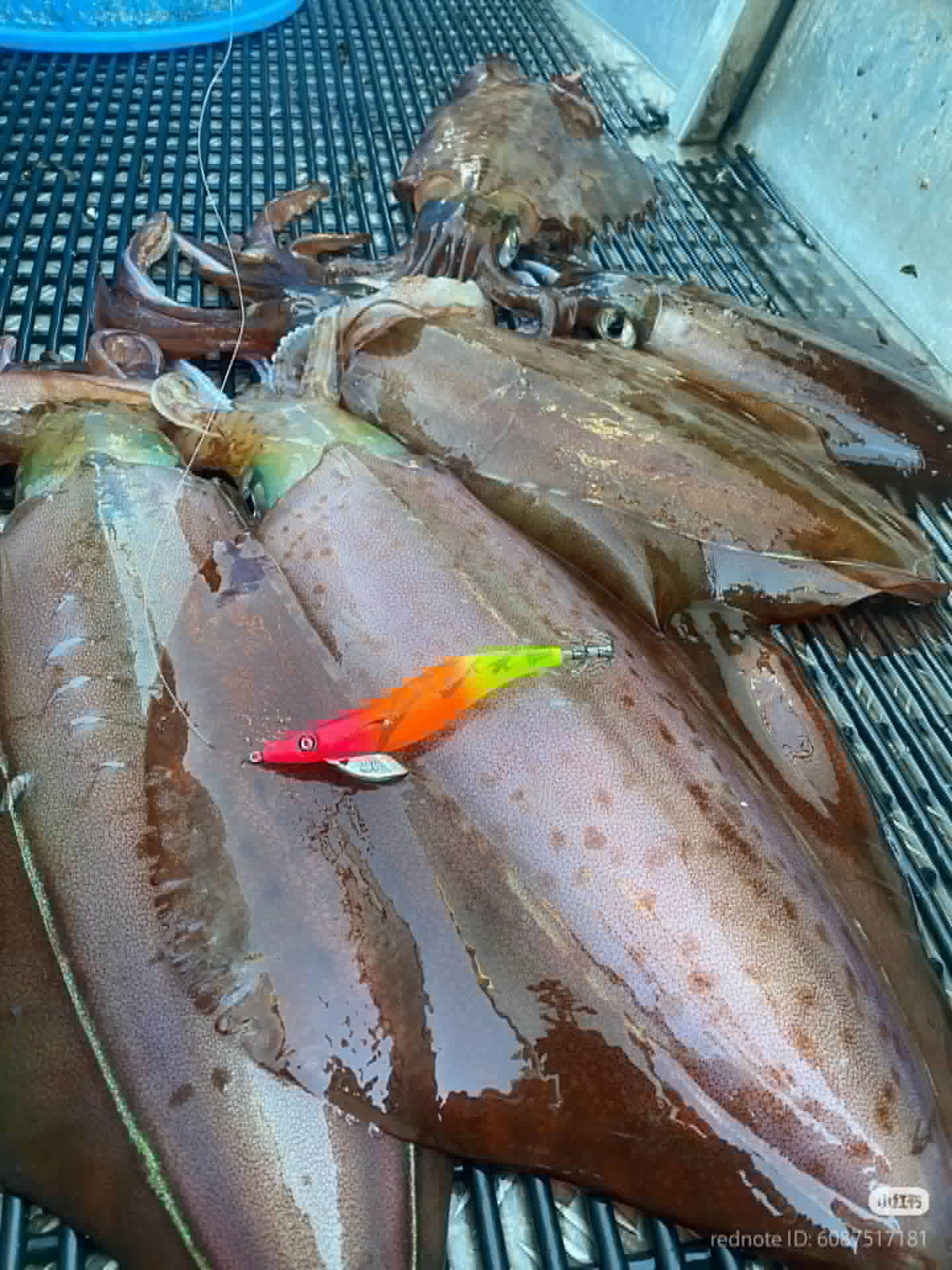
Can you catch squid in winter in Victoria?
Yes - winter is genuinely good squid fishing in Victoria. Southern calamari feed all through winter, water clarity is often at its best, and piers are quiet. The trade-off: you have to pick clean-water windows after fronts and slow your jig work down. Everything below shows you how.
Why winter changes squid fishing in Victoria
Winter does not stop southern calamari from feeding. It changes the environment around them.
In Victoria, winter often brings:
- clearer water between fronts
- shorter low-light windows
- colder hands and slower sessions
- more wind direction changes
- less pier traffic on uncomfortable days
- more need to read water before changing jigs
- sharper contrast between good and bad conditions
That last point matters most. A winter session can feel excellent when the water is clean and fishable. It can also feel completely dead after a dirty blow, heavy rain or the wrong wind pushing colour into the bay.
For a wider weather framework, keep the squid fishing weather guide open beside this page, and use the best squid jig colours for night and low light when winter dusk arrives early.
The winter rule: clean water first
Clean water matters in every season, but in winter it often decides the whole session.
When the water is clear, squid can track a jig from distance, inspect it on the pause and commit without needing a loud colour. When the water is milky, sandy, brown or full of broken weed, a good winter spot can feel empty.
Before you choose colour, ask:
- can I see weed edge, sand patches or bottom change?
- is the water green-clear, blue-clear, milky or brown?
- did recent wind push dirty water into this side of the bay?
- did rain add runoff near drains, creeks or shallow beaches?
- is the jig visible on the first few metres of sink?
If the answer is poor, do not just keep changing colour. Move, wait or choose a side of the bay with cleaner water.
The full water-reading guide is worth using whenever you are deciding between piers.
Wind matters more than temperature
Cold air is uncomfortable for anglers. Wind is what usually ruins squid fishing.
A light cold morning with clean water can fish well. A warmer winter afternoon with the wrong wind can be difficult if line control is poor and the water is dirty.
In winter, pay attention to:
- wind direction against the pier
- whether the wind has been blowing for hours or just started
- whether the spot is sheltered or exposed
- how much bow is forming in your line
- whether the jig is reaching bottom or sailing above the zone
If wind is pushing into your face, size 3.5 or a faster-sinking profile may help. If the water is shallow and calm, size 3.0 often gives better control and a more natural fall.
Use the squid radar before driving. It is especially useful in winter because one bay edge can be fishable while another is stirred up.
Best winter windows
Winter sessions are often about timing small windows properly.
The most reliable windows are usually:
- first light after a calm night
- last light before the temperature drops hard
- early night around pier lights
- the first settled day after wind backs off
- clean-water windows between fronts
- tide movement that still lets you control the jig
The best time to catch squid guide covers the broader timing logic. For winter Victoria, the practical version is simple: fish when light is low, water is clean and wind lets you feel the jig.
Winter after rain
Rain is not automatically bad. Dirty runoff is.
Some winter rain systems pass through quickly and leave fishable water behind, especially when the rain is light and wind does not stir the bay. Other systems add brown water, broken weed and poor visibility.
After rain, check:
- whether the water is visibly dirty
- whether wind has continued after the rain
- whether nearby drains or creeks affect the spot
- whether floating weed is fouling the jig
- whether squid are following but not committing
If you see only light cloudiness, try a brighter or glow option and slow the sink. If the water is properly brown, move to cleaner water.
Use the dedicated squid fishing after rain guide when you need to decide whether to go or wait.
Winter squid jig size
Most Victorian winter sessions can start with a size 3.0 or 3.5 jig.
Use size 3.0 when:
- you are fishing piers and shallow reef
- the water is clean and calm
- squid are cautious
- you need a slower, more natural fall
- you are working close to weed or sand holes
Use size 3.5 when:
- wind is affecting casting or line control
- you need to reach deeper water
- squid are larger or aggressive
- you need a stronger profile in low light
- current or drift is moving the jig too quickly
The best size is the one you can control. If you cannot feel the jig and cannot keep it near the zone, the colour choice becomes much less important.
Read the squid jig size guide and squid jig sinking rate guide if you want the full size-and-fall logic.
Winter squid jig colours
Winter colour choice should follow water clarity and light, not just the season name.
Use natural colours when:
- the water is clear
- the sun is up
- squid are following closely
- the bottom is sand, reef or clean weed
- you want a less aggressive presentation
Use pink, orange, UV, glow or high contrast when:
- it is dawn or dusk
- the sky is dark
- you are fishing at night
- the water has light stain
- squid need help finding the jig
- pier lights create shadow edges
In winter, do not be afraid to start subtle in clean water and then brighten only when the squid cannot find or commit to the jig.
For the full colour framework, use the squid jig colours guide.
Retrieve: slow down without going dead
Winter eging often rewards control more than speed.
You still need action, but long aggressive ripping is not always the best first move in cold, clear water. Start with a clean cast, let the jig sink properly, then work it with sharper lifts followed by patient pauses.
A good winter retrieve can look like:
- cast past the likely weed edge
- let the jig sink with light contact
- lift twice to make it dart
- pause long enough for the jig to glide and fall
- watch the line for a tick, stop or sideways movement
- lift firmly only when you feel weight
If squid are following but not grabbing, lengthen the pause before changing colour. If you keep fouling weed, shorten the sink or lift the jig slightly higher through the zone.
The retrieve guide is here: how to work a squid jig. If you are missing takes, use when to strike when squid fishing.
If you are tempted to copy full Japanese-style jerk sequences in cold, clear water, read do fancy Japanese eging actions actually catch more squid? and keep the pause doing its job.
Where to fish in winter Victoria
Winter location choice should start with exposure and water clarity.
For Port Phillip Bay, check whether wind has kept one side cleaner than the other. Mornington Peninsula piers can be strong winter options when water is clean, but they are not immune to wind, pressure or dirty edges.
Useful planning pages:
- Melbourne squid fishing
- Port Phillip Bay squid fishing
- Rye Pier squid fishing
- Mornington Pier squid fishing
- Western Port squid fishing
- Flinders Pier squid fishing
For Western Port, tide and current control matter more. Do not choose a jig only by colour there. Choose a jig you can keep down and work cleanly.
Winter night fishing
Night can be excellent in winter, especially around clean water and pier lights, but it also punishes poor contact.
At night:
- use glow or high-contrast colours
- recharge glow jigs when needed
- work the edge of light and shadow
- keep pauses deliberate
- avoid too much slack line in wind
- land squid carefully because cold hands make mistakes easy
Read the full night squid fishing guide if you plan most winter sessions after work.
Winter gear checklist
You do not need a huge winter kit. You need a tight set of roles.
Pack:
- size 3.0 natural jig
- size 3.0 pink or orange jig
- size 3.5 natural or baitfish jig
- size 3.5 glow or UV jig
- one high-contrast dirty-water option
- fluorocarbon leader that can handle pier edges
- a landing net or squid gaff for high platforms
- a towel, light and warm clothing
If you fish higher piers, read the best squid gaff Australia guide before trying to lift squid by line.
The RUI range is built and field-tested for exactly these Australian conditions - pick a small, deliberate spread rather than ten near-duplicates. Browse squid jigs Australia, especially glow squid jigs Australia for the early dark and natural colour squid jigs for clean settled water.
For the buying-focused version of the winter kit, see Winter Squid Jig Setup Victoria on eging.com.au.
Winter squid fishing Victoria FAQ
Is winter actually good for squid fishing in Victoria?
Yes. Southern calamari can be caught through winter in Port Phillip Bay and Western Port, but the best sessions usually come from clean water, low light and settled wind windows rather than the calendar alone.
What is the best time of day for winter squid fishing?
Dawn, dusk and the first part of the night are usually the highest-value windows. Midday can still work when the water is clear, the sky is overcast or squid are holding deeper.
What squid jig size should I use in winter?
Start with size 3.0 around piers and shallow reef, then move to 3.5 when you need more casting distance, better depth control or a stronger profile in wind and current.
What squid jig colours work best in winter?
Natural colours suit clear daylight water. Pink, orange, glow, UV and high-contrast colours become useful in low light, dirty water, night sessions and after weather changes.
Should I fish after rain in winter?
Only when the water has stayed clear or begun to settle. If runoff, swell or wind has made the area milky or brown, move to a cleaner side of the bay or wait for the next settled window.
Final answer
Winter squid fishing in Victoria is a conditions game. Do not call the session from the calendar alone. Look for clean water, manageable wind, low light and a jig you can control, then adjust size and colour only after the water tells you what problem you are solving.